
Dhorpatan Hunting Reserve established in the year 1987 in the territories of Magar Indigenous Peoples that covers an area of 1,325 km2 (512 sq m) in the Dhaulagiri Mountain of western Nepal in Rukum, Myadi and Balung Districts. In 2016, the government of Nepal established a military camp in the pretext of protecting the reserve without obtaining FPIC of the peoples concerned.
The reserve administration issued public notice on 7 March 2017 stating that the people encroached the areas of hunting reserve by building houses and sheds even doing farming and they should be removed within 30 days otherwise houses and other infrastructures would be removed using military force.
Dhorpatan Hunting Reserve Office, Baglung has brought the first management plan, 2019 to 2024 with the financial and technical support of USAID’s Hariyo Ban Program, WWF Nepal. The plan is to implement the proposed buffer zone and to translate the legislative provisions into action.
Serious restrictions have been imposed on communities to enter into their land territories that resulted adverse impact on socio-economic and cultural lives of the affected communities. The reserve has violated the customary rights of Indigenous peoples to land territories and resources and self-determination.
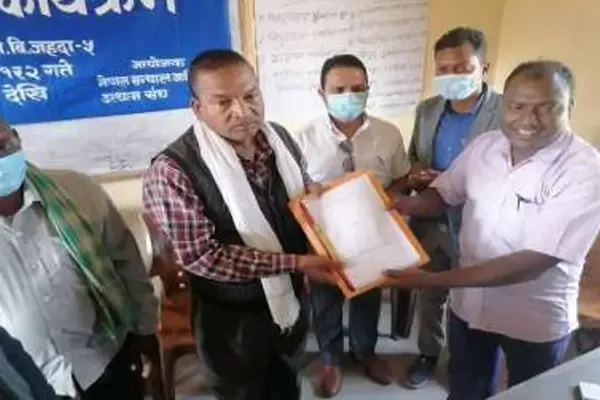
Now, the hunting reserve administration is in the process of declaring buffer zone without obtaining FPIC. Due to the strong pressure of affected Indigenous and local communities, local government members, political parties and community leaders of Putha Uttarganga Rural Municipality of Rukum district came up with the decision to urge the local, provincial and federal governments to scrap the initiation of declaring buffer zone and to implement ILO 169, CBD and UN Declaration on the Rights of Indigenous Peoples.
Mr. Surendra Pun Magar, chairperson of Dhorpatan Hunting Reserve Affected Peoples' Struggle Committee said, " We are in strong position that the hunting reserve should immediately stop the military activitis in our territories and go through the FPIC process to resolve the issues in an amicable manner." Similarly, Mr. Purna Bahadur Gharti Magar, an indigenous leader and spokesperson of the struggle committee said, "We are in a prolonged struggle to restore our customary ownership on our traditional lands. We want self-determination and strongly condemn the colonial approach to land grabbing."
The affected Indigenous Peoples have been defending their ancestral lands for the past 14 years.